
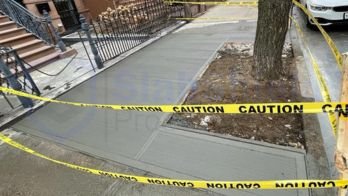
How Property Owners Can Keep Their Sidewalks ADA-Compliant?
If you’ve ever walked on a cracked or uneven sidewalk, you know how frustrating and dangerous it can be. For people with disabilities, those same issues can make it nearly impossible to get around safely. That’s why keeping your sidewalks ADA-compliant isn’t just about following the law, but it’s about making your property accessible, welcoming, and safe for everyone.
Under the Americans with Disabilities Act (ADA), sidewalks that are part of the public right-of-way, even those bordering private property, must meet specific standards. These standards make sure sidewalks are wide enough, smooth enough, and designed so people using wheelchairs, walkers, or canes can travel without barriers.
So, if you’re a property owner, what exactly does that mean for you?
Here’s what you should know and do to keep your sidewalks ADA-compliant year-round.
Why ADA Compliance Matters
Before we dive into the “how,” let’s understand the “why.”
ADA compliance isn’t just a box to tick, but it’s a legal responsibility. A sidewalk that’s uneven or blocked isn’t just inconvenient; it can lead to serious injuries, lawsuits, or fines from the city. But more importantly, it can prevent someone with a disability from safely getting where they need to go.
By keeping your sidewalks ADA-compliant, you’re doing three key things:
- Protecting pedestrians since everyone deserves a safe path of travel.
- Reducing liability, as fixing hazards early helps you avoid accidents and potential legal issues.
- Improving community access while making your neighborhood more inclusive and connected.
Here is how you can keep your pathways exactly the way they should be.
Conduct Regular Inspections
The first and most important habit is routine inspection. Sidewalks wear down over time, especially in places like New York City where weather, roots, and traffic all take their toll. Setting up a regular inspection with sidewalk experts, say, twice a year, helps you catch small issues before they become costly repairs.
When you inspect, look for three main things:
1. Surface Conditions
Walk slowly and look for cracks, uneven slabs, or gaps in the pavement. Tree roots, water damage, or heavy vehicles can cause sections of the sidewalk to lift or sink. Even a small uneven area can be a trip hazard, especially for people with mobility challenges.
2. Clear Path of Travel
Your sidewalk should have a clear, unobstructed path. Check for things like overgrown bushes, trash cans, signposts, or parked bicycles that block the walkway. During fall and winter, make sure to remove leaves, snow, and ice. These temporary obstructions can make your sidewalk unsafe or slippery.
3. Curb Ramps and Warning Surfaces
At every intersection or driveway, curb ramps help people transition smoothly from the sidewalk to the street. Make sure these ramps are stable, free of cracks, and not too steep. You should also check that detectable warning surfaces, the textured, bumpy panels at the edge of ramps, are intact and visible. They help people with visual impairments detect the edge of the road.
Read: Tips for Sidewalk Maintainance
Address Hazards Promptly
Finding a problem is one thing and fixing it quickly is another. The ADA has clear standards about what counts as a hazard. For example, if a joint or crack creates a height difference of more than ¼ inch, it’s officially a trip hazard.
You can use a beveled edge with a gentle slope (1:2 ratio) for small uneven spots, but ideally, you should eliminate the hazard completely.
Here’s how to handle common problems:
- Uneven slabs: Grinding or replacing sections can restore a smooth surface.
- Cracks or gaps: Fill them with a flexible, ADA-approved sealant to prevent further damage.
- Overgrown vegetation: Trim trees and shrubs that block the path or damage concrete.
- Snow and ice: Shovel promptly and use non-corrosive deicers that won’t harm the concrete.
The quicker you address these issues, the safer your sidewalk remains and the less likely you’ll face legal trouble.
Follow Technical ADA Specifications
Now, let’s talk about the technical side, but don’t worry, we’ll keep it simple.
The ADA sets specific measurements and requirements for sidewalks to ensure everyone can use them comfortably. Here are the most important ones:
Surface and Slope
- The sidewalk surface must be firm, stable, and slip-resistant with no loose gravel or rough patches.
- The running slope (along the path) should be less than 1:20 (that’s about a 5% incline).
- Cross slope (side-to-side) should be less than 1:48, so it doesn’t tilt too much in either direction.
- Grates, gaps or any openings should be less than ½ inch wide in the direction of travel. Larger gaps can trap canes or wheelchair wheels.
Width and Path of Travel
- The minimum clear width for a sidewalk is 36 inches (3 feet).
- If your sidewalk is narrower than 60 inches, you need passing spaces of 60x60 inches every 200 feet so two people can pass each other comfortably.
- Obstructions like signs or poles can’t extend too far into the walkway, while making sure there’s enough room for a safe passage.
Curb Ramps and Detectable Warnings
- Every sidewalk-to-curb intersection must have a curb ramp with a slope no steeper than 1:12 (that’s about an 8% incline).
- The ramp must have detectable warning tiles (those yellow or red bumpy panels) to alert people with visual impairments that they’re approaching a street.
If you’re not sure whether your sidewalks meet these measurements, consult with professionals. They can evaluate your property and provide a checklist for improvements.
Keep Good Records
One of the smartest things you can do as a property owner is document everything. Keep a simple log of your inspections, repairs, and maintenance work.
Write down the date, what was inspected, what issues you found, and when they were fixed. If you ever face a complaint or inspection, this record shows that you’ve taken responsible steps to maintain compliance. It can also help you plan future repairs and budget accordingly.
Work with Professionals and Stay Informed
Some repairs, like fixing large cracks, adding ramps, or regrading slopes, are best left to professionals. Hire contractors who understand ADA standards and have experience working on accessible infrastructure.
Beyond that, stay updated with the latest regulations from:
- The U.S. Access Board, which develops ADA design standards.
- The Department of Justice (DOJ), which enforces ADA compliance.
Rules may change over time, and local laws can be even stricter than federal ones. Checking in with your city’s Department of Transportation (DOT) or Public Works office can help you stay on top of local updates.
You can also collaborate with disability advocacy groups in your area. They often provide feedback on accessibility and can help you identify problem spots you might overlook.
Conclusion
Keeping sidewalks ADA-compliant might sound complicated at first, but it really comes down to three simple habits: inspect often, fix fast, and obey the rules. By doing that, you’re not only protecting yourself from fines, you’re making your community safer and more inclusive for everyone.
Think of it this way: a sidewalk isn’t just concrete under your feet; it’s a pathway that connects people, parents pushing strollers, kids riding bikes, seniors taking a stroll, and individuals using wheelchairs or canes.
When you take the time to maintain and repair your sidewalks properly, you’re building something much bigger than a walkway; you’re building accessibility, dignity, and connection.